Get Dead Tree Removal in Long Island, NY
Dead Tree Removal services for Long Island property owners address hazardous, dead, or diseased trees, including removal, stump grinding, and land clearing projects.
Dead tree removal services are often considered by property owners in Long Island, NY, to address safety concerns and prevent potential hazards. Overgrown or damaged trees can pose risks to structures, pedestrians, and vehicles, especially during storms or high winds. Removing problematic trees helps reduce the likelihood of falling branches or entire trees causing injury or property damage, creating a safer environment for residents and visitors alike.
Beyond safety, dead or decaying trees can negatively impact a property's appearance and functionality. Clearing away these trees enhances curb appeal, making outdoor spaces more attractive and inviting. Additionally, removing dead trees can improve the durability of remaining landscaping, reduce ongoing maintenance needs, and promote healthier growth for surrounding plants. This work supports a well-maintained, functional outdoor space that maintains its value and appeal over time.
- Dead Tree Removal - Needed when a tree poses a risk of falling and damaging property or people.
- Dead Tree Removal - Required when trees show signs of disease or decay that threaten structural integrity.
- Dead Tree Removal - Necessary after storms or high winds cause trees to become unstable or hazardous.
- Dead Tree Removal - Used to clear space for new landscaping or construction projects in residential or commercial areas.
- Dead Tree Removal - Important for maintaining the safety and appearance of properties in Long Island, NY, and surrounding regions.
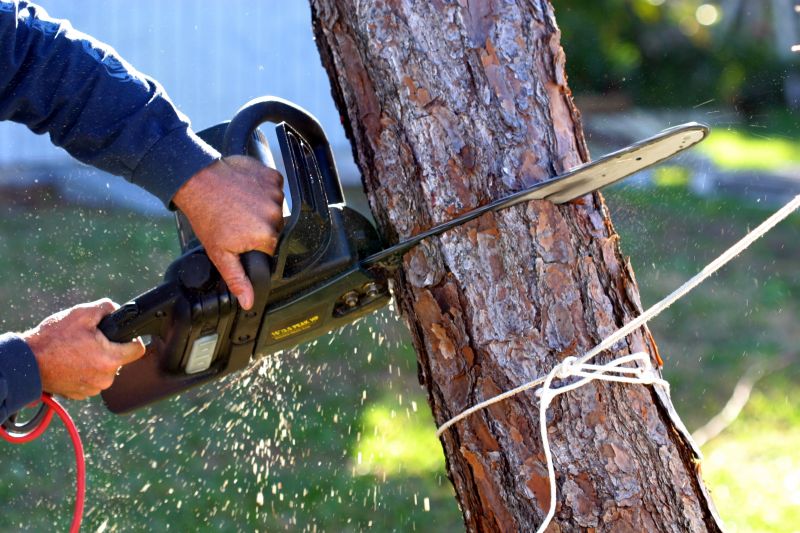
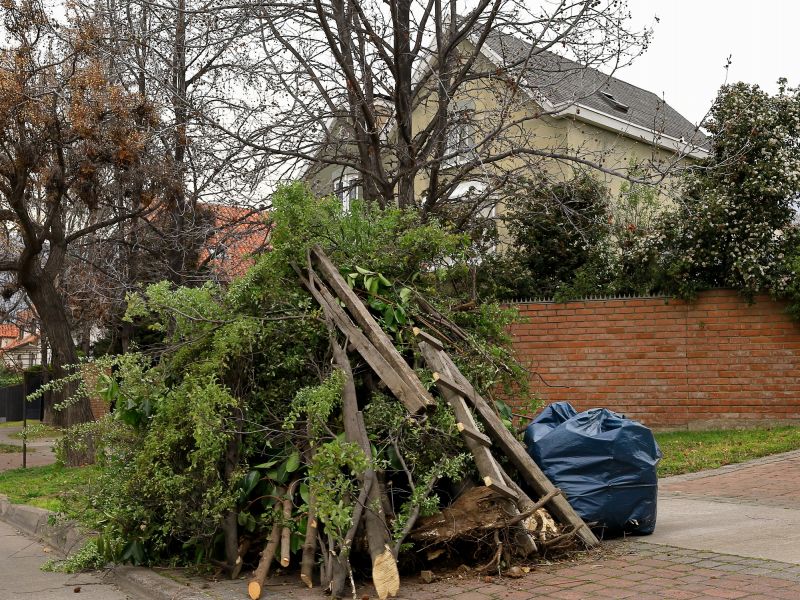
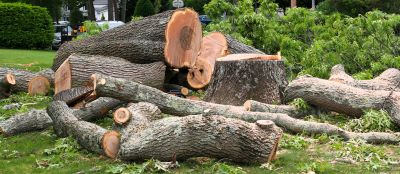
Dead tree removal services involve the safe and efficient removal of dead, dying, or hazardous trees from residential, commercial, or public properties. Professionals use specialized equipment and techniques to carefully dismantle or extract trees that pose risks due to instability, decay, or disease. The process often includes assessing the tree’s condition, planning the removal to prevent damage to surrounding structures or landscape features, and performing the work with attention to safety and environmental considerations. These services help ensure that property owners can maintain a safe environment and prevent potential damage caused by falling branches or entire trees.
The primary problems addressed by dead tree removal include safety hazards, property damage, and aesthetic concerns. Dead or decaying trees are more likely to fall unexpectedly, which can cause injury to people or damage to buildings, vehicles, and landscaping. Removing these trees reduces the risk of accidents and liability, especially in areas with high foot traffic or near structures. Additionally, dead trees can detract from a property’s visual appeal and may harbor pests or diseases that could spread to healthy trees or plants. Clearing out dead trees can also facilitate future landscaping efforts or the planting of new, healthier trees.
Various types of properties utilize dead tree removal services, including residential homes, commercial properties, parks, and public spaces. Residential properties often require tree removal when a tree is located close to a house, driveway, or utility lines, posing a risk to inhabitants or infrastructure. Commercial properties, such as shopping centers or office parks, may seek removal to maintain safety standards and improve curb appeal. Public parks and municipal spaces also rely on dead tree removal to uphold safety for visitors and to preserve the overall landscape integrity. In all cases, the goal is to manage tree health and safety concerns effectively, ensuring that the property remains secure and visually appealing.
Professional dead tree removal services are typically performed by experienced contractors equipped with the necessary tools and expertise. Property owners interested in this service can contact local providers to evaluate the condition of trees and determine the most appropriate removal methods. These specialists prioritize safety and efficiency, ensuring that the removal process minimizes disruption and environmental impact. By working with qualified service providers, property owners can address hazardous trees promptly and effectively, helping to maintain a safe and attractive environment.
The overview below groups typical Dead Tree Removal projects into broad ranges so you can see how smaller, mid-sized, and larger jobs often compare in Long Island, NY.
In many markets, a large share of routine jobs stays in the lower and middle ranges, while only a smaller percentage of projects moves into the highest bands when the work is more complex or site conditions are harder than average.
Cost Range for Small Trees - Removing small trees typically costs between $150 and $500, depending on size and location. For example, a young tree in a residential yard may fall within this range.
Medium Tree Removal Expenses - The cost for removing medium-sized trees usually ranges from $500 to $1,500. Factors such as accessibility and tree height influence the final price.
Large Tree Removal Costs - Large trees can require specialized equipment and expertise, with prices often between $1,500 and $3,000 or more. The complexity of the job affects the overall cost estimate.
Additional Service Fees - Extra services like stump grinding or debris removal may add $100 to $500 to the total cost. These services depend on the specific needs of the tree removal project.
Actual totals will depend on details like access to the work area, the scope of the project, and the materials selected, so use these as general starting points rather than exact figures.
Dead Tree Removal services involve the safe and efficient removal of hazardous or unwanted dead trees from residential or commercial properties. Local professionals can assess tree health and determine the best removal methods to protect surrounding landscape and structures.
Tree Clearing and Disposal services include the removal of dead or dying trees to clear space for new landscaping or construction projects. Experienced contractors ensure proper disposal of debris in accordance with local regulations.
Storm Damage Tree Removal specialists are called upon to remove fallen or damaged dead trees after storms, helping to prevent further property damage and ensuring safety. They utilize specialized equipment to handle hazardous situations.
Emergency Tree Removal services address urgent situations where dead trees pose immediate risks, such as threatening power lines or structures. Local pros respond promptly to mitigate hazards and secure the area.
Land Clearing and Site Preparation services often involve removing dead trees to prepare land for development or landscaping projects. Contractors work to clear the site efficiently while minimizing impact on the surrounding environment.
Stump Grinding and Removal services may be offered alongside dead tree removal to eliminate remaining stumps, improving aesthetics and preventing pest infestations. Local providers use specialized equipment for thorough stump removal.
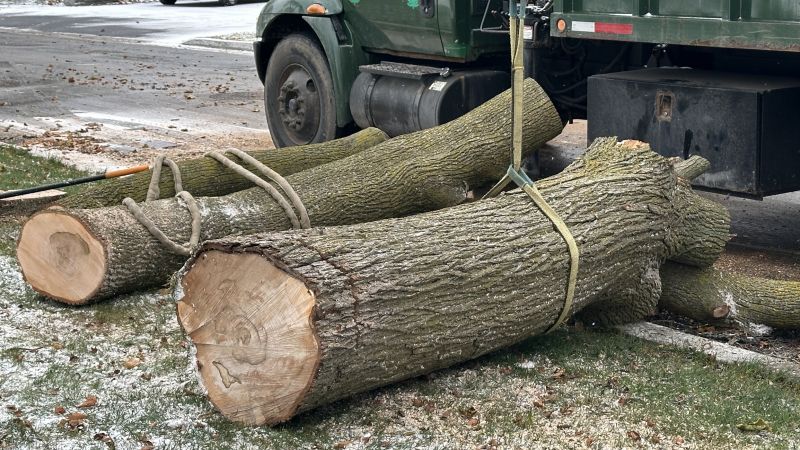
When selecting a professional for dead tree removal, it’s important to consider the experience of local service providers. Experienced contractors typically have a history of handling similar projects, which can contribute to more efficient and effective work. Homeowners can inquire about the duration of a contractor’s experience in the area and their familiarity with the types of trees common to Long Island, NY. This background can provide confidence that the provider understands the specific challenges involved in safely removing dead or hazardous trees.
Clear communication and written expectations are key factors when working with a tree removal contractor. Reputable local pros should be willing to provide detailed descriptions of their services, including the scope of work, safety procedures, and cleanup processes. Having these expectations documented helps ensure that homeowners and contractors are aligned on the project’s details, reducing misunderstandings. Good communication also involves responsiveness to questions and transparency throughout the process, fostering a smoother working relationship.
References and reputation are valuable indicators of a contractor’s reliability and quality of work. Homeowners are encouraged to seek out local pros with positive references or reviews from previous clients. Reputable service providers often have established relationships within the community and can provide testimonials or contact information for past customers. While the site introduces local options, it’s important to independently verify a contractor’s reputation and ensure they are well-regarded for their professionalism, communication, and quality of work in dead tree removal projects.
Property owners in Long Island, NY use Dead Tree Removal services for practical projects around their homes and businesses. The sections below highlight everyday jobs and straightforward project options.
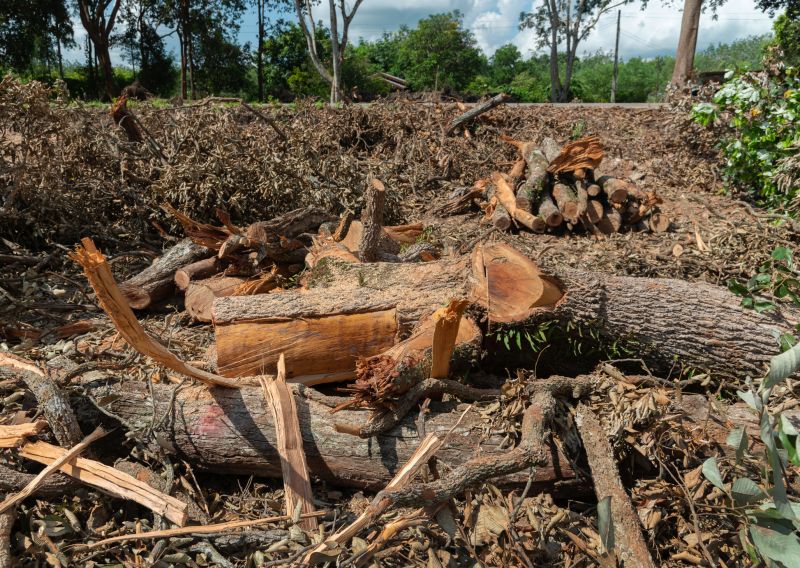
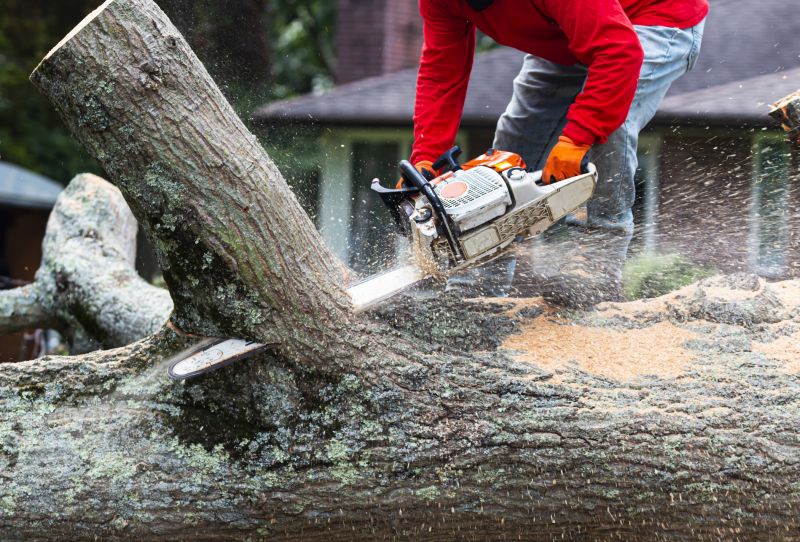
Dead tree removal services are often sought by property owners in Long Island, NY, when trees become hazardous due to disease, decay, or storm damage. Overgrown or dead trees can pose safety risks to people and nearby structures, prompting homeowners and business owners to look for professional removal to prevent accidents or property damage. Additionally, clearing out dead trees can improve the overall appearance of a property, making it safer and more attractive.
In some cases, property owners might need dead tree removal to prepare for new landscaping projects or to comply with local regulations. Fallen or decaying trees can also obstruct views, block pathways, or interfere with utility lines, leading residents to seek expert assistance. Local service providers can help assess the situation and safely remove problematic trees to maintain the safety and aesthetic of residential or commercial properties.
Why should I consider dead tree removal? Removing dead trees can help prevent potential hazards such as falling branches or the tree toppling, which could cause property damage or injury.
How do professionals typically remove dead trees? Experts use specialized equipment like chainsaws and cranes to safely cut and remove dead trees from the property.
Is dead tree removal necessary for healthy trees? Dead tree removal is specifically for trees that are no longer living or pose risks; healthy trees generally do not require removal unless they are damaged or diseased.
What should I do before scheduling dead tree removal? It's advisable to clear the area around the tree and contact local service providers to assess the situation and plan the removal process.
Are there any permits required for dead tree removal? Permit requirements vary by location; contacting local authorities or service providers can help determine if permits are necessary.
Dead Tree Removal Services - Local tree care providers offer dead tree removal to help maintain safety and property value.
Hazard Assessment and Planning - Pros can evaluate dead trees to determine the best removal approach and identify potential risks.
Safe and Efficient Tree Removal - Experienced contractors use proper equipment to remove dead trees with minimal impact on surrounding areas.
Cleanup and Disposal Services - Removal services often include debris cleanup and proper disposal of dead tree materials.
Considering Dead Tree Removal for a property in Long Island, NY? The sections above highlight common project types, practical options, and details that often shape the scope of work.
When you are ready, use the quote form to share a few details about your project. Local pros can review the basics and respond with options that match what you have in mind.